Chemotherapy vs. Immunotherapy: A Guide on How They Work
16 March, 2026

Cancer treatment has evolved rapidly over the last few decades. Earlier, chemotherapy was the most widely used approach to control or destroy cancer cells. Today, medical science offers additional treatment options, including immunotherapy, which uses the body’s immune system to fight cancer. Understanding how these two treatments work can help patients and families make informed decisions during cancer care.
Both therapies aim to eliminate cancer cells, but they work in very different ways. While chemotherapy directly targets rapidly growing cells, immunotherapy strengthens the body's immune defenses so they can recognize and attack cancer cells more effectively.
Understanding Chemotherapy
Chemotherapy is a treatment method that uses powerful medications to destroy cancer cells. These drugs circulate through the bloodstream and reach cancer cells throughout the body. Cancer cells multiply much faster than most normal cells. Chemotherapy drugs are designed to attack these rapidly dividing cells and prevent them from growing or spreading further.
How Chemotherapy Works
Chemotherapy affects the life cycle of cells. It works by:
- Stopping cancer cells from dividing and multiplying
- Damaging the DNA inside cancer cells so they cannot reproduce
- Triggering cell death in abnormal cells
Since chemotherapy travels through the bloodstream, it is considered a systemic treatment, meaning it can reach cancer cells even if they have spread to other parts of the body.
Common Types of Cancers Treated with Chemotherapy
Chemotherapy is widely used for many cancers, including:
- Breast cancer
- Lung cancer
- Leukemia
- Lymphoma
- Ovarian cancer
- Colorectal cancer
Doctors may use chemotherapy in several ways, such as before surgery to shrink tumors, after surgery to remove remaining cancer cells, or as the main treatment when surgery is not possible.
Possible Side Effects of Chemotherapy
Because chemotherapy also affects some healthy rapidly dividing cells, side effects may occur. These may include:
- Hair loss
- Fatigue
- Nausea and vomiting
- Low blood cell counts
- Increased risk of infection
However, advances in supportive care medications have helped reduce many of these side effects.
What Is Immunotherapy?
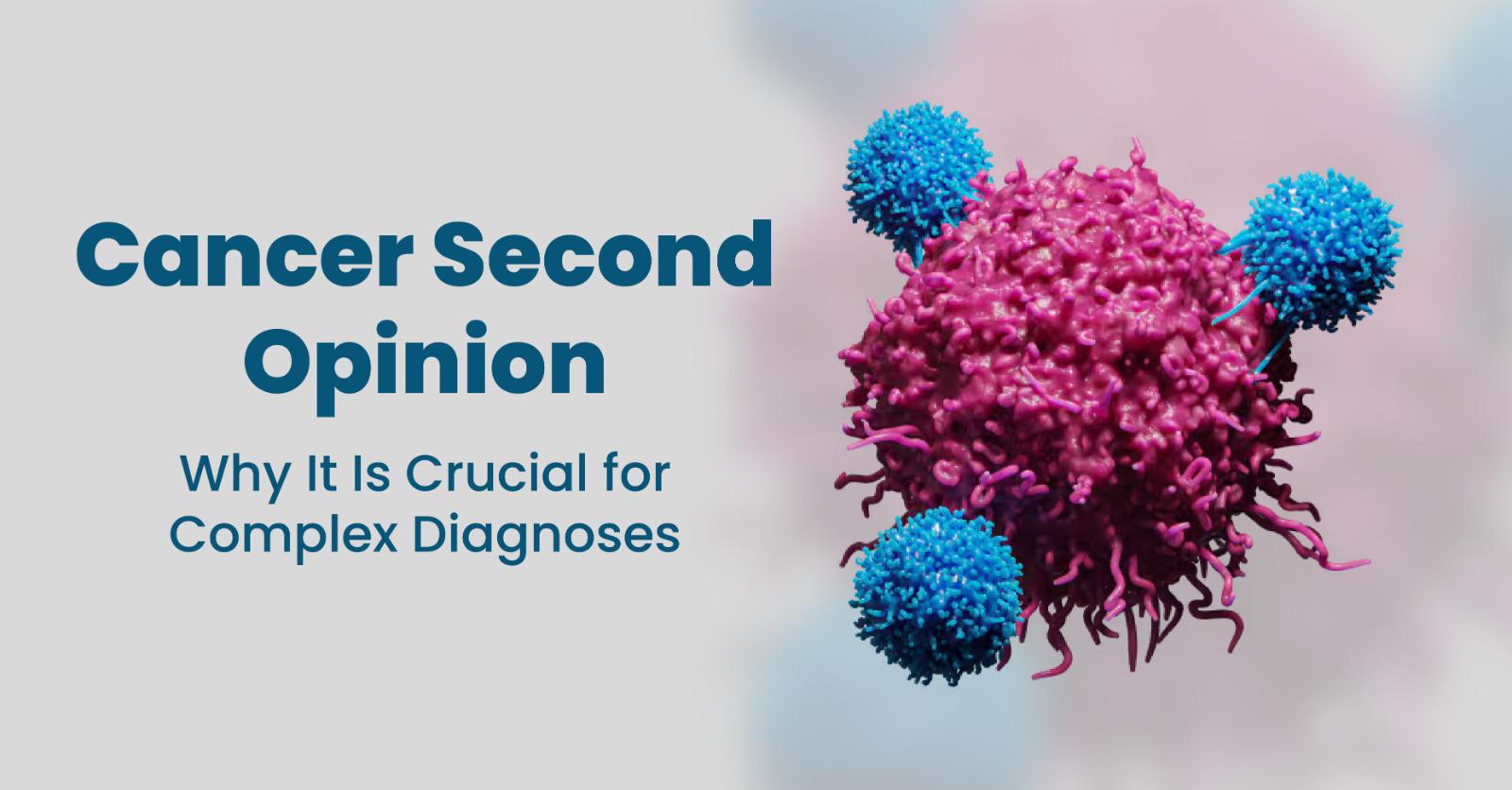
Immunotherapy is a modern cancer treatment designed to strengthen or restore the body’s natural immune response against cancer cells. Normally, the immune system protects the body by identifying and destroying harmful invaders such as viruses and bacteria. However, cancer cells can sometimes hide from the immune system or prevent it from attacking them. Immunotherapy works by helping the immune system recognize cancer cells and attack them more effectively.
How Immunotherapy Works
Immunotherapy targets the interaction between cancer cells and immune cells. It can function in several ways:
- Stimulating immune cells to attack cancer
- Removing the signals that allow cancer cells to hide
- Enhancing the body's immune response to tumors
Instead of directly killing cancer cells like chemotherapy, immunotherapy empowers the immune system to do the job.
Types of Immunotherapy Treatments
There are several forms of immunotherapy used in cancer care:
Checkpoint inhibitors
These drugs block certain proteins that prevent immune cells from attacking cancer.
Monoclonal antibodies
Laboratory-made antibodies that identify and attach to cancer cells, helping the immune system destroy them.
Cancer vaccines
Vaccines designed to trigger an immune response against specific cancer cells.
Adoptive cell therapy
A treatment where immune cells are modified in the laboratory and then reintroduced into the patient’s body to target cancer.
Types of Cancers Treated with Immunotherapy
Immunotherapy is now used to treat several types of cancers, including:
- Melanoma
- Lung cancer
- Kidney cancer
- Bladder cancer
- Head and neck cancers
- Certain types of lymphoma
Researchers continue to explore new cancers that may respond to immunotherapy treatments.
Key Differences Between Chemotherapy and Immunotherapy
Although both therapies aim to treat cancer, they differ in how they work and how they affect the body. In some cases, doctors may combine chemotherapy and immunotherapy to improve treatment outcomes.
| Feature | Chemotherapy | Immunotherapy |
|---|---|---|
| Treatment approach | Directly destroys rapidly growing cells | Activates the immune system to fight cancer |
| Target | Cancer cells and some healthy fast-growing cells | Immune system pathways and cancer recognition |
| Treatment type | Systemic drug therapy | Immune-based therapy |
| Side effects | Hair loss, nausea, fatigue, low blood counts | Immune-related inflammation, skin reactions, fatigue |
| Duration of response | Often limited to treatment period | May produce long-lasting immune response |
When Doctors Recommend Each Treatment
The choice between chemotherapy and immunotherapy depends on several factors:
- Type and stage of cancer
- Tumor characteristics
- Genetic markers within the cancer cells
- Overall health of the patient
- Previous treatments received
Some cancers respond better to chemotherapy, while others may show stronger results with immunotherapy. In many cases, oncologists develop a personalized treatment plan that may include one or both therapies.
Advantages and Limitations of Both Treatments
Chemotherapy has been used for decades and remains a reliable treatment for many cancers. It is effective at shrinking tumors and controlling cancer spread. Immunotherapy, on the other hand, represents a newer approach that can sometimes produce longer-lasting responses because it trains the immune system to recognize cancer cells. However, not all cancers respond to immunotherapy, and research is still ongoing to determine which patients benefit the most.
The Future of Cancer Treatment
The field of oncology is moving toward personalized medicine, where treatments are tailored to each patient’s specific cancer biology. Researchers are studying combinations of chemotherapy, immunotherapy, targeted therapy, and precision medicine to improve survival rates and reduce treatment side effects. As medical science continues to advance, patients now have more treatment options than ever before, offering hope for better cancer control and improved quality of life.
Conclusion
Chemotherapy and immunotherapy represent two important approaches in modern cancer treatment. Chemotherapy works by directly destroying rapidly growing cancer cells, while immunotherapy strengthens the immune system to recognize and attack tumors. Understanding how these therapies function helps patients and caregivers better navigate treatment choices. With ongoing medical research and new therapeutic strategies, the future of cancer treatment continues to evolve, bringing more effective and personalized care options for patients worldwide.